
If you have ever trained your dog using positive reinforcement, you probably used treats. Food rewards are one of the most powerful ways to teach dogs new behaviors and strengthen good habits. So when people start separation anxiety training, it often feels surprising — or even confusing — to hear that we do not use treats during the training sessions.
It may sound counterintuitive at first. After all, dogs love food, and treats are supposed to make training fun. But separation anxiety is not a typical training problem. It is an emotional disorder that involves deep fear, panic, and stress. And when emotions take over, food stops being useful.
In this article, I will explain why treats are not part of effective separation anxiety training, what we focus on instead, and how you can help your dog feel safe and calm when alone.
Understanding What Separation Anxiety Really Is
To understand why treats do not work, we need to start with what separation anxiety actually means.
Separation anxiety is not about disobedience or stubbornness. It is an intense emotional reaction to being left alone or separated from a loved person. The dog is not choosing to bark, scratch the door, or destroy things — they are experiencing real panic.
When a dog has separation anxiety, their body reacts as if their survival is at risk. Stress hormones flood their system. Their heart rate increases, they may pant, shake, drool, or even eliminate indoors. In this state, the brain’s “thinking” part shuts down, and the emotional, survival-driven part takes over.
That is why traditional obedience training, no matter how positive or reward-based, cannot reach the dog in that moment. Treats, commands, or toys lose their meaning because the dog is not capable of learning or making choices while afraid.
Why Fear and Food Don’t Mix
Imagine trying to eat your favorite meal right after a car accident or before a big presentation. When your body is in a state of anxiety, appetite disappears. The same happens to dogs.
When a dog’s brain detects something scary — in this case, being left alone — it triggers a fight, flight, or freeze response. This physiological reaction shuts down the digestive system. That is why many dogs with separation anxiety ignore food when their person leaves. They simply cannot eat because their body is focused on survival.
Some dogs might take food for a few seconds or nibble out of habit, but it does not mean they are relaxed. They may be suppressing their fear, or they might be slightly under their threshold of panic but still not learning.
When we use treats during absences, it becomes very difficult to read the dog’s true emotional state. If the dog eats, we might mistakenly assume they are fine, even though their stress is slowly building. If the dog refuses food, it confirms they are already over threshold. Either way, treats make it harder to measure real progress.
The Problem With Distraction-Based Training
Sometimes, well-meaning owners try to use treats or food toys to “distract” their dog when they leave. They might fill a Kong with peanut butter, scatter treats on the floor, or leave puzzle feeders to keep the dog busy.
The problem is that distraction does not reduce fear. It only hides the symptoms temporarily.
If the dog starts eating when you leave but then abandons the food as soon as they realize you are gone, that tells us they were never truly comfortable. The food simply delayed the panic for a few moments. Over time, this can even make things worse — because the dog learns that food predicts your departure. The Kong or treat becomes a signal that you are about to leave, and anxiety starts even earlier.
This is why you may see dogs running away from their food toys once they associate them with being alone. What was meant to be a comfort item turns into a trigger for fear.
What Works Instead: Systematic Desensitization
So if treats do not work, what does?
The foundation of separation anxiety training is a method called systematic desensitization. This approach focuses on changing the dog’s emotional response to being alone, not on teaching behaviors or obedience.
Desensitization means exposing the dog to the scary situation — in this case, the owner leaving — in such small, safe doses that fear never appears. We start with very short absences that the dog can handle comfortably, sometimes only a few seconds, and gradually increase the duration at the dog’s pace.
During each session, we carefully observe the dog’s body language and reactions. The moment we see signs of stress, we stop and adjust the plan. This ensures the dog always stays under threshold — calm, confident, and capable of learning that alone time is not dangerous.
In this process, food is unnecessary. The reward comes from the experience itself: the dog learns that their person leaves and always comes back, and nothing bad happens in between. Over time, this predictable routine replaces fear with trust and relaxation.
Why Predictability Matters More Than Rewards
Dogs with separation anxiety crave safety and predictability. Their anxiety is rooted in uncertainty — not knowing if or when their person will return.
Every successful training session gives the dog information: “You always come back. I am safe.” This is what changes the emotional response at a deep level. Food cannot provide that sense of safety, but routine, calm energy, and consistency can.
Predictable patterns, clear cues, and gentle exposure are far more powerful than treats when working with emotional issues. In fact, many dogs begin to show signs of relaxation just from understanding the new, consistent structure of training sessions. They realize that nothing scary happens anymore, and their body starts to settle.
When Treats Can Still Play a Role
Although we do not use treats during actual separation training, food can still support the process in other ways.
1. Reducing Overall Stress
Enrichment activities that involve sniffing, chewing, or problem-solving can help lower a dog’s general stress levels. For example, you can offer calm feeding games when you are home, like scattering kibble in a snuffle mat or hiding treats for your dog to find. These activities release feel-good hormones and promote relaxation, which indirectly helps with separation anxiety training.
2. Building Positive Routines
You can use food to create predictability around non-stressful moments. For instance, giving a treat when you put on your shoes (without leaving afterward) can break the association between certain cues and your departure.
3. Supporting Confidence and Enrichment
Confidence-building exercises such as target training, gentle agility, or canine fitness work (like balance exercises) can use food as reinforcement. A confident dog in general life tends to handle alone time better.
So treats are not “bad.” They just need to be used in the right context — not to mask fear, but to support calmness and confidence outside of separation training sessions.
The Importance of Professional Guidance
Because separation anxiety is such a complex emotional issue, progress can be slow and nonlinear. Each dog has a unique threshold, and pushing too far too soon can cause setbacks.
Working with a qualified separation anxiety specialist ensures the training plan is tailored to your dog’s needs. A professional monitors subtle body language cues, adjusts the absence durations, and helps you stay consistent without overwhelming your dog.
Specialists also provide emotional support for you — the human side of the journey. Living with an anxious dog can be exhausting and lonely, but you do not have to do it alone. A good training plan brings structure, hope, and small wins that add up to big change over time.
The Real Reward: A Calm and Confident Dog
At the end of the day, the goal of separation anxiety training is not to get your dog to tolerate being alone for a treat. The goal is to help them feel safe when you are gone.
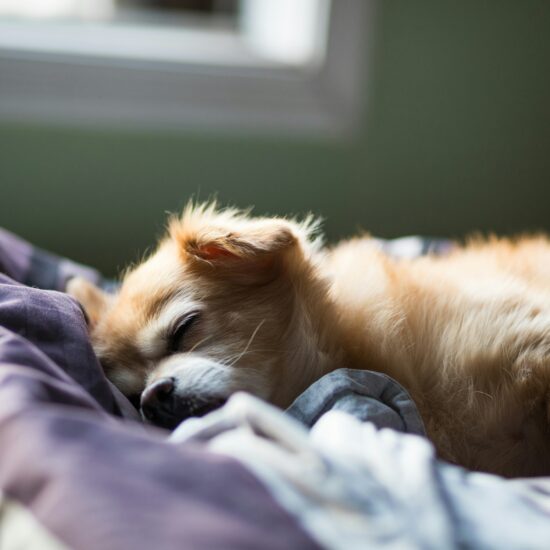
When your dog can lie down, rest, and even sleep peacefully during your absences, that is the true success. No food can replace the deep comfort of emotional safety.
So while treats have their place in dog training, they are not the right tool for this type of problem. By focusing on emotional healing, gradual exposure, and predictable structure, you can give your dog what they really need — the ability to relax and trust that being alone is okay.