I Left Food and Toys, and My Dog Is Still Crying When Left Alone — Why?
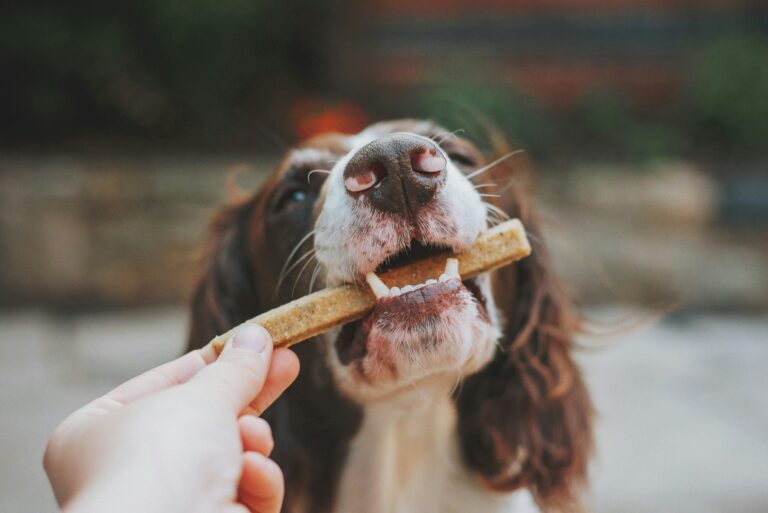
Many dog owners feel confused and frustrated when their dog is crying when left alone, even after leaving food, puzzle toys, or special treats. The intention is good: keep the dog busy, distracted, and comfortable until you return.
But for many dogs, this strategy doesn’t work. The dog may still bark, cry, pace, or panic shortly after the door closes. If this sounds familiar, you’re not dealing with a boredom problem — you’re likely seeing dog separation anxiety.
Let’s explore why food doesn’t solve this issue and what actually helps dogs feel calmer when home alone.
Dog Crying When Left Alone Is Not About Boredom
One of the most common myths is that a dog crying when left alone simply needs more stimulation. In boredom-based behaviors, enrichment usually works: the dog engages with the toy, relaxes, and settles.
With dog anxiety when home alone, the emotional state is completely different. Separation anxiety is a panic response triggered by being separated from a person the dog feels emotionally dependent on. The nervous system goes into survival mode: heart rate increases, stress hormones rise, and the brain prioritizes safety — not food or play.
That’s why many dogs with separation anxiety ignore food, drop toys, or stop eating once the anxiety escalates.
Why Food Doesn’t Fix Dog Separation Anxiety
Food can temporarily mask symptoms but rarely resolves the underlying emotional problem. Here’s why:
🔹 1. Fear overrides appetite
A dog that panics when left alone cannot relax enough to eat or play normally.
🔹 2. Food becomes a departure trigger
Some dogs learn that special treats predict the owner leaving, increasing stress instead of reducing it.
🔹 3. Distraction ends faster than anxiety
A toy may last 10–20 minutes. Separation anxiety can last hours.
🔹 4. No emotional learning happens
Distraction doesn’t teach the dog how to feel safe alone — it only delays the reaction.
If your dog still cries with toys and food, this strongly points toward true separation anxiety in dogs.
Common Signs of Separation Anxiety in Dogs
If your dog shows several of these behaviors when left alone, anxiety is likely the root cause:
Dog barking when left alone
Dog crying or howling when home alone
Pacing, trembling, or excessive panting
Destructive behavior near doors or windows
Drooling, vomiting, or loss of appetite
Inability to settle even after food is gone
These are not training problems or stubbornness — they are stress responses.
What Actually Helps a Dog With Separation Anxiety
Effective separation anxiety training focuses on changing the dog’s emotional response to being alone.
This includes:
Gradual alone-time training below the dog’s panic threshold
Predictable routines and calm departures
Preventing panic rehearsals whenever possible
Careful observation of stress signals and body language
Adjusting progress based on the dog’s individual capacity
Learning how to train a dog to stay calm when alone takes time, structure, and consistency — but real improvement is absolutely possible.
When Food Can Still Be Useful
Food is not useless — it just shouldn’t be the main strategy for anxiety-based behaviors. It can support training when:
The dog is already emotionally comfortable
Used in low-stress training exercises
Integrated into a behavior modification plan
Food should support emotional learning — not replace it.
Need Help With Your Dog’s Separation Anxiety?
If your dog is crying when left alone, barking when left alone, or panicking despite toys and food, you’re likely dealing with separation anxiety — not a lack of enrichment.
Random tips often slow progress or increase stress. A personalized plan guided by a separation anxiety specialist helps your dog build real emotional safety instead of temporary distraction.
When you work with professional support, you:
Follow a structured, science-based training plan
Train at your dog’s emotional pace
Avoid common mistakes and setbacks
Gain clarity and confidence
👉 Contact me here: https://doghomealone.com/contact/
You don’t have to do this alone.